The world stands at a critical environmental crossroads, making the celebration of Earth Day more than just a symbolic gesture—it is a global call for immediate, collective action. Every year on April 22nd, over a billion people across 190 countries join forces to advocate for sustainability, climate policy, and the preservation of our natural ecosystems.
What is Earth Day and Why Does It Matter?
Earth Day is an annual global event dedicated to raising awareness about environmental protection and mobilizing action against climate change. Established in 1970, it marked the birth of the modern environmental movement and has since led to the creation of landmark laws like the Clean Air Act and the Endangered Species Act.
Today, it serves as a powerful reminder that our daily choices—from the energy we consume to the waste we generate—directly impact the health of our planet.
Know More:- Claude AI: A Comprehensive Guide to Anthropic’s Advanced Language Model
5 Simple Ways to Celebrate Earth Day 2025
You don’t need to be a scientist or a politician to make a difference this Earth Day. Here are five high-impact actions you can take:
- Switch to Renewables: If possible, look into solar energy options or energy-efficient appliances to reduce your carbon footprint.
- Support Plastic Bans: Phase out single-use plastics like straws, bags, and water bottles in favor of sustainable alternatives.
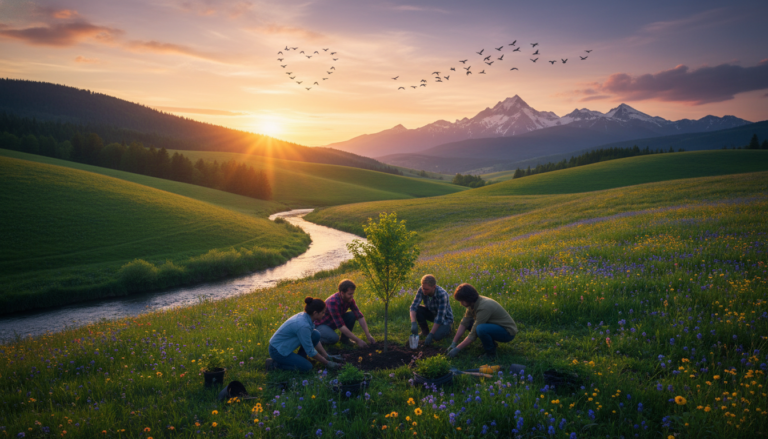
- Plant Native Species: Enhance biodiversity by planting trees or flowers that are native to your local region.
- Participate in Cleanups: Join a community cleanup drive to remove litter from parks, beaches, or streets.
- Advocate for Change: Use your voice on social media or in local government to support green initiatives and climate-friendly policies.
The Evolution of the Movement
While the first Earth Day focused on industrial pollution and smog, the 2025 landscape is dominated by the urgency of the "Global Boiling" era and the rise of green technology.
Organizations are now leveraging Artificial Intelligence and data science to track deforestation and carbon emissions in real-time. This technological shift allows for more precise environmental monitoring than ever before.
Know More:- The Ultimate UGC Subject List: Ideas to Kickstart Your Creator Journey
Impact Comparison: Then vs. Now
| Feature | Earth Day 1970 | Earth Day 2025 |
|---|---|---|
| Primary Focus | Pollution & Litter | Carbon Neutrality & AI |
| Participation | 20 Million (USA) | 1 Billion+ (Global) |
| Communication | Radio & Print | Viral Social Media & Apps |
| Policy Goal | Clean Air/Water Acts | Net-Zero Emissions |
How Education and Careers Play a Role
As environmental awareness grows, so does the demand for "green skills" in the workforce. Governments and educational institutions are increasingly prioritizing sustainability in their curriculums and recruitment drives.
Whether it is through public service exams or specialized certifications, understanding the impact of human activity on the environment is becoming a core requirement for modern professionals.
Know More:- UP PET Exam 2026: Notification, Syllabus, and Preparation Strategy
Final Thoughts for a Greener Future
Earth Day is not just a single 24-hour event; it is a mindset that should govern our actions year-round. By staying informed and making conscious decisions, we can ensure a habitable and thriving world for future generations.
The goal for this year is clear: invest in our planet today to reap the benefits of a cleaner, safer tomorrow.