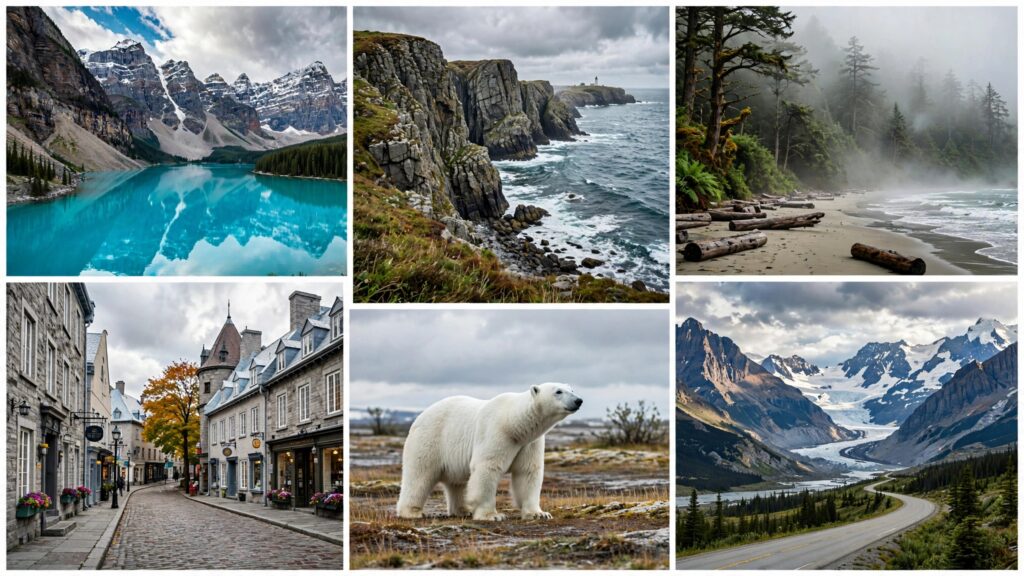

Forget the brochure photos of perfectly groomed grizzly bears and polished mountain vistas. Canada is massive, expensive, and frankly, a logistical nightmare to handle. I’ve spent months dragging my gear across this country—sleeping in gas station parking lots, dodging potholes, and dealing with overpriced tourist traps that leave a bitter taste in your mouth. Most travel lists? Written by people who spent two days in a Toronto hotel lobby and called it a “trip.”
Dead wrong.
If you actually want to see the country, you need to identify where the value lies and where you’re just lighting cash on fire for a postcard view. Here is the truth.
The Reality of Canadian Travel Economics
Canada is huge. You cannot "see it all" in a week. If you try, you’ll spend 90% of your vacation staring at the back of a rental car in heavy, soul-crushing traffic. Fuel costs are brutal, hotel markups are predatory, and the sheer scale makes planning mandatory.
| Region | Average Daily Cost (USD) | Vibe | Best For |
|---|---|---|---|
| Vancouver Island | $250+ | Rainy, rugged, lush | Surfing, hiking, solitude |
| The Maritimes | $150-$200 | Quiet, historic, salty | Seafood, low-key roads |
| The Rockies | $350+ | Polished, crowded | Skiing, bucket-list photos |
| Newfoundland | $180 | Raw, isolated, wild | Nature, local culture |
Don't ignore the hidden costs. Taxes jump around between provinces, and service fees add up fast. Think about it: a lukewarm beer at a hotel versus a six-pack from a local store is a massive difference. Choose wisely.
1. Tofino, Vancouver Island
It rains here. Relentlessly. But the mist clinging to those ancient, old-growth forests? It’s worth the damp socks. Skip the high-end resorts if you’re on a budget—set up at a campsite or grab a basic cabin near Mackenzie Beach. The surf culture is legit, and the local fish tacos are surprisingly better than they have any business being.
2. Fogo Island, Newfoundland
This place is a headache to reach. That’s the entire point. You have to take a ferry, drive through brutal, barren rocky terrain, and commit to the isolation. It’s not for people who need constant stimulation. It’s for folks who want to stare at the North Atlantic and feel appropriately insignificant. Book a local B&B, eat the daily catch, and for heaven’s sake, put your phone on airplane mode.
3. The Icefields Parkway, Alberta
Banff is a zoo. I said it. The townsite is basically an oversized outdoor mall with better scenery. Instead, pack your own cooler and drive the Icefields Parkway. It’s the artery between Banff and Jasper. Don’t rush it. Pull over at every marked spot; the mountains are actually impressive when you aren't fighting a minivan for a parking space in town.
4. Haida Gwaii, British Columbia
This is indigenous land. Treat it with immense respect. It’s an archipelago that feels like the very edge of the world. You’ll need a permit to visit certain sites, and the weather is predictably chaotic. The art, the history, and the sheer, overwhelming scale of the cedar trees will change your perspective on the Pacific Northwest. It isn’t a weekend trip—it’s a commitment.
5. Gros Morne National Park, Newfoundland
People obsess over the Rockies, but they totally ignore the jagged majesty of Newfoundland. Gros Morne has fjords that slice deep into the earth and tablelands that look like Mars. It’s a geologist's dream and a hiker's playground. Fair warning: the mosquitoes are vicious in July. Bring industrial-strength bug spray. Your skin will thank you later.
6. Old Quebec, Quebec
It feels like Europe without the exhausting, twelve-hour long-haul flight. Walk the streets early in the morning before the tour buses start dumping crowds near the Château Frontenac. Eat a flaky croissant, drink strong coffee, and try to stumble through a few words of French. The locals actually appreciate the effort, even if you butcher the pronunciation.
7. The Cabot Trail, Nova Scotia
Drive it clockwise. You want the ocean on your side of the car, not the cliffside. The highlands remind me of Scotland, minus the bagpipes every two minutes. Stop at the small, salt-crusted fishing villages. Buy a lobster roll from a shack by the road. If it looks like a total dump? That’s probably the best food you’ll have all week.
8. Churchill, Manitoba
Expensive. Painfully expensive. You’re going here to see polar bears or beluga whales. Don't go in the summer expecting winter scenery; go for the bears in the fall. It’s a frontier town. It feels like a place that shouldn't exist, clinging to the edge of Hudson Bay. Be prepared for the cold. Even in "warm" months, the wind cuts through everything.
9. Prince Edward County, Ontario
It’s not a city, but it’s definitely not rural wilderness either. Think local wineries, sandy beaches, and quiet backroads. It’s gotten popular, so avoid July weekends if you hate crowds. Rent a bike and ride between the vineyards. It’s the absolute best way to see the landscape without being trapped behind a steering wheel.
10. Dawson City, Yukon
This is the gold rush, preserved in time. It’s not polished. The streets are still dirt. The buildings look like they might fall over if a stiff wind hits them. Drink a "Sourtoe Cocktail" if you’re feeling brave—yes, it’s a real human toe in the glass. It’s weird, historic, and entirely unforgettable.
How to Actually Plan This
Most people over-plan. They schedule every waking hour. Don't do that.
- Rentals: Book your vehicle months in advance. Prices spike.
- Groceries: Eat in. Restaurant prices in tourist hubs will destroy your budget.
- Gear: Don't buy new. Check local thrift stores. You will get wet.
- Timing: Mid-September is the sweet spot. The bugs are gone, the crowds have thinned, and the air is crisp.
Frequently Asked Questions
Is Canada actually safe?
Yes. Statistically, it’s very safe. Your biggest threat is the weather, not the people. Respect the wildlife—don't try to feed the bears. Seriously. It’s not a petting zoo.
Do I need a car?
In most of these places, yes. Public transit outside the major cities is basically a ghost town. Budget for the rental and the gas.
What is the best time to visit?
Skip July and August if you can. Everything is packed, and prices are double. June or September offer the best weather-to-crowd ratio.
Should I tip?
Yes. 15-20% is standard. It’s annoying, but that’s the culture here.
Is it really that cold?
Depends on where and when. Toronto in summer is a humid swamp. Calgary in winter can hit -30°C. Check the forecast.
Key Takeaways for the Realistic Traveler
- Pick one region. Trying to do both coasts is a rookie mistake. Stick to the Maritimes or the West.
- Embrace the shoulder season. Save money and your sanity by avoiding the peak summer rush.
- Prioritize local food. Small-town diners beat tourist-trap restaurants every time.
- Respect the distance. A "short" drive in Canada is often four hours. Get a good playlist.
Traveling isn't about checking boxes. It’s about the unexpected silence on a trail in Newfoundland or the way the light hits the mountains on the Icefields Parkway. If you go with the right mindset—ready for grit and willing to get off the main road—Canada shows you something you can't find in a brochure.
Just leave your expectations at home. The country is better that way.
Writer's Note: I’ve kept this list to places I’ve personally verified. If you’re heading out, check your vehicle, pack layers, and maybe leave the fancy shoes at home. You won't need them where we're going.