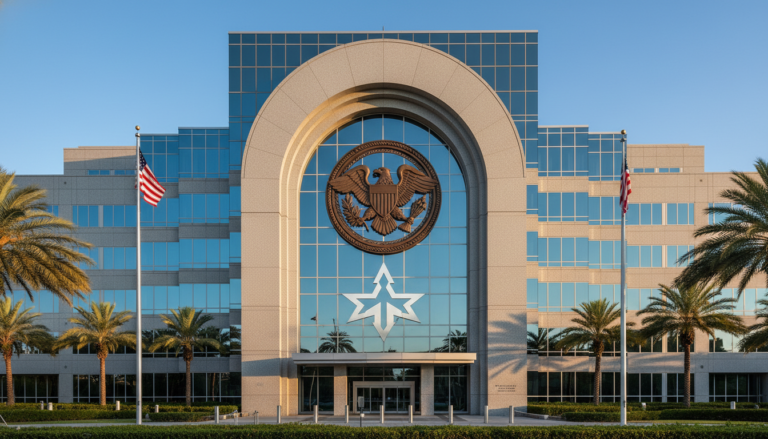
In an era of shifting global policies and border dynamics, understanding the role of the United States Immigration and Customs Enforcement (ICE) has never been more critical for residents, travelers, and policy analysts alike.
As the largest investigative arm of the Department of Homeland Security (DHS), the United States Immigration and Customs Enforcement is responsible for upholding federal laws governing border control, customs, trade, and immigration. Established in 2003 following the events of 9/11, its mission has evolved from simple border security to a complex multifaceted agency focused on national security and public safety.
Know More:- UPSSSC Excise Constable Notification 2026: Application Dates, Eligibility and Exam Details
The Core Directorates of United States Immigration and Customs Enforcement
To understand how the agency operates, one must look at its two primary directorates. Each serves a distinct function under the umbrella of federal law enforcement.
- Homeland Security Investigations (HSI): This branch focuses on transnational criminal threats. They investigate everything from human trafficking and narcotics smuggling to cybercrime and intellectual property theft.
- Enforcement and Removal Operations (ERO): This directorate manages the administrative enforcement of immigration laws. Their work includes the identification, arrest, and deportation of individuals who violate the immigration status of the United States.
Impact on National Security and Trade
The United States Immigration and Customs Enforcement plays a pivotal role in the U.S. economy. By enforcing customs and trade laws, HSI ensures that illegal goods do not enter the domestic market, protecting local businesses from unfair competition and hazardous products.
Furthermore, the agency’s role in managing international student programs and employment verification (E-Verify) ensures that the legal pathways for immigration remain secure and efficient.
Know More:- A Complete Guide to Understanding NCERT Textbooks
Key Statistics and Agency Functions
| Feature | Description |
|---|---|
| Founded | March 2003 |
| Parent Agency | Department of Homeland Security (DHS) |
| Primary Goal | National security and public safety |
| Field Offices | Over 400 offices domestically and internationally |
Current Trends and Future Outlook
In 2024 and 2025, the United States Immigration and Customs Enforcement is shifting its focus toward high-tech solutions. The agency is increasingly utilizing AI-driven data analytics to track illicit financial flows and combat the fentanyl crisis.
For those following government career paths or legal developments, staying updated on ICE policy changes is essential. As political climates shift, the agency often sees fluctuations in funding and enforcement priorities, particularly concerning interior enforcement versus border support.
Know More:- UPMSP: Everything You Need to Know About the Uttar Pradesh Board
Why Public Transparency Matters
The United States Immigration and Customs Enforcement maintains a public information portal to provide clarity on its operations. Transparency remains a hot topic, especially regarding detention conditions and the legal rights of individuals. Whether you are a student of political science or a job seeker in the federal sector, understanding these nuances is vital for navigating the current American legal landscape.