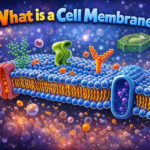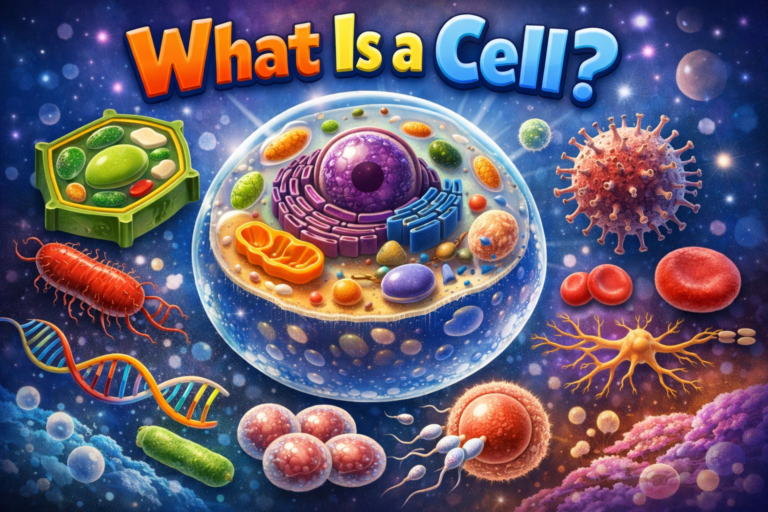
A cell is the smallest structural and functional unit of life. Every living organism, from tiny bacteria to large plants and animals, is made up of one or more cells. Cells perform all the basic activities necessary for survival, including taking in nutrients, producing energy, growing, and reproducing. Some organisms, like bacteria, consist of only one cell and are called unicellular organisms. Others, like humans, are multicellular and contain trillions of cells working together. Each cell is surrounded by a membrane that controls what enters and leaves it. Inside the cell is a jelly-like substance called cytoplasm, which contains specialized structures that help the cell function properly and maintain life processes efficiently.
Types of Cells
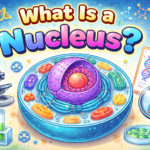
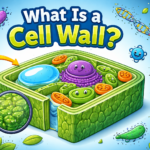
Cells are mainly divided into two types: prokaryotic and eukaryotic cells. Prokaryotic cells are simple and small, without a true nucleus. Their genetic material floats freely inside the cell. Bacteria are examples of organisms made of prokaryotic cells. Eukaryotic cells are larger and more complex. They have a defined nucleus that stores genetic material and controls cell activities. Plants, animals, fungi, and humans are made of eukaryotic cells. Plant cells have a cell wall and chloroplasts for photosynthesis, while animal cells do not. Both types of cells carry out essential life processes, but eukaryotic cells have specialized organelles that perform specific functions within the cell.
Importance of Cells
Cells are important because they are the foundation of all living things. They help organisms grow, repair damaged tissues, and reproduce. In multicellular organisms, different cells perform different jobs. For example, muscle cells help in movement, nerve cells transmit signals, and blood cells transport oxygen. This specialization allows complex organisms to function efficiently. Cells also carry genetic information in the form of DNA, which determines traits and is passed from parents to offspring. The study of cells, called cell biology, helps scientists understand diseases, develop medicines, and improve medical treatments. Without cells, life as we know it would not exist on Earth.