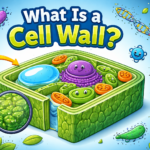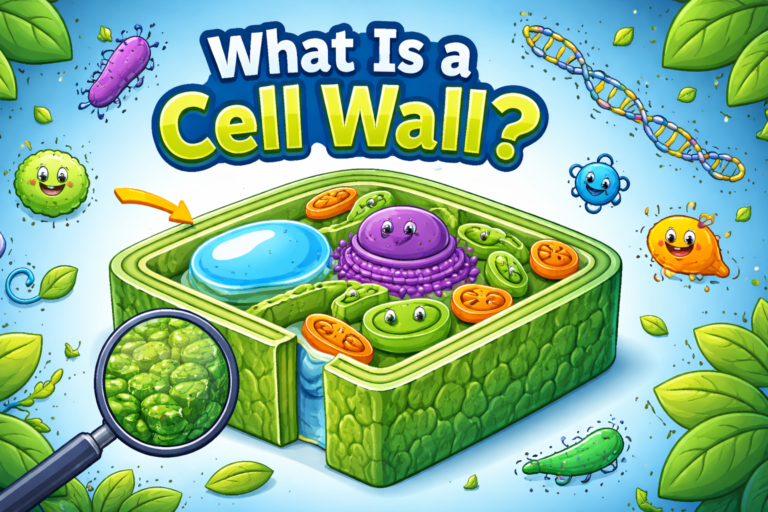
The cell wall is a strong, rigid outer covering that surrounds the cell membrane in plant cells, fungi, algae, and many microorganisms. It provides shape, strength, and protection to the cell, helping it maintain its structure even under pressure. In plant cells, the cell wall is mainly made of cellulose, a tough carbohydrate that gives plants their firmness. The cell wall is freely permeable, meaning water and small molecules can pass through it easily. Unlike the cell membrane, it is non-living and does not control movement of substances. The presence of a cell wall helps plants stand upright and protects cells from mechanical damage and environmental stress. Animal cells do not have cell walls.
Structure of the Cell Wall
The cell wall is composed of several layers that work together to provide support and protection. The main component in plant cell walls is cellulose fibers embedded in a matrix of other substances like hemicellulose and pectin. The outermost layer is called the middle lamella, which helps neighboring cells stick together. Inside it lies the primary cell wall, which is flexible and allows the cell to grow. Some cells also develop a secondary wall that is thicker and stronger. The cell wall contains tiny pores that allow water, minerals, and gases to move freely. This structure ensures both strength and controlled exchange with the surroundings.
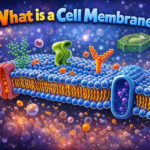
Functions of the Cell Membrane
- Controls entry and exit of substances
- Protects the inner parts of the cell
- Maintains the shape of the cell
- Allows exchange of nutrients and wastes
- Helps in communication between cells
- Keeps the cell contents together
Importance of the Cell Wall
The cell wall plays an essential role in maintaining the life and function of plant cells and certain microorganisms. It provides mechanical support, allowing plants to remain upright and resist gravity. The cell wall protects the cell from injury, harmful microbes, and excessive water intake that could cause bursting. It also helps maintain the shape of the cell and prevents deformation. The cell wall allows free passage of water and dissolved substances, helping in nutrient distribution. It contributes to overall plant strength and stability. Without the cell wall, plant cells would be soft, fragile, and unable to maintain their proper structure.