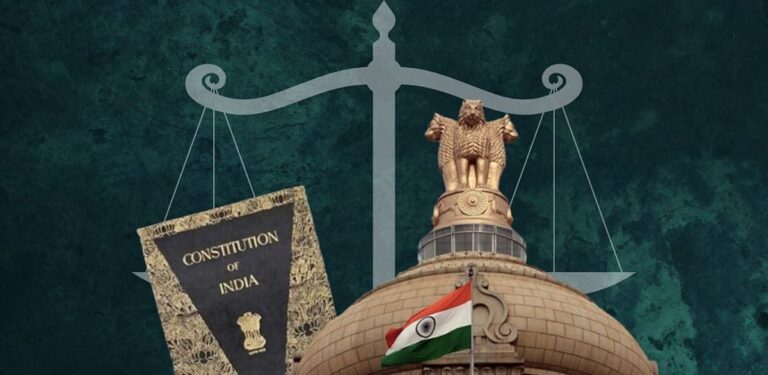
Indian Constitution Preamble 2026: Essential Study Guide, Syllabus, and Expert Preparation Strategy
The Preamble is the soul of the Indian Constitution, acting as its identity card. For 2026 aspirants, mastering its philosophy and judicial history is non-negotiable for cracking the Indian Polity section in UPSC, State PSCs, and competitive government examinations.
Understanding the Indian Constitution Preamble: A 2026 Overview
The Preamble isn't just a preface; it is the constitutional conscience of the nation. It encapsulates the ideals of Justice, Liberty, Equality, and Fraternity, defining India as a Sovereign, Socialist, Secular, Democratic Republic.
Historically, this document traces its roots back to the "Objectives Resolution" moved by Jawaharlal Nehru in 1946. It is officially recognized as an integral part of the Constitution—a status solidified by the landmark Kesavananda Bharati case. For the 2026 exam cycle, examiners are shifting focus from rote memorization to the application of these principles in modern governance.
Latest Updates on Indian Constitution Preamble 2026: Official Exam Framework
While the Preamble itself doesn't have a "recruitment" process, it is a cornerstone of every major civil service and legal examination scheduled for 2026. If you are aiming for a top rank in the UPSC or State PSCs, you must treat this as a high-weightage topic.
The current trend in exam patterns shows a heavy emphasis on:
- Keyword Sequencing: The exact order of the descriptive terms used in the Preamble.
- The 42nd Amendment Impact: Why the 1976 changes remain controversial yet essential to current political debates.
- Judicial Interpretations: The evolution from the Berubari Union case to the Kesavananda Bharati judgment.
Why the Preamble Matters for 2026 Recruitment Drives
Many candidates mistakenly view the Preamble as a "static" topic. But here’s the reality: it is a dynamic legal tool. Whether you are appearing for the UPSC Civil Services, IBPS SO, or State Judiciary exams, the Preamble acts as the "lens" through which the judiciary interprets the rest of the Constitution.
Key Exam Segments for 2026
- UPSC Civil Services 2026: With Prelims set for May 24, 2026, GS-II requires a deep, analytical understanding of how the Preamble influences policy-making.
- Banking & Law Exams: Questions often test your ability to distinguish between the "Nature of the State" and the "Objectives of the Constitution."
- State PSCs: These exams often lean heavily into the historical evolution and the specific amendments made to the text.
Related Update: UGC NET June 2026 Application Form Soon: NTA Notification, Exam Dates and Eligibility Criteria Updates
Eligibility and Academic Requirements for 2026 Aspirants
To compete in the examinations where the Preamble is a core subject, you must meet the following general standards:
- Educational Qualification: A Bachelor’s degree from a recognized university is the standard for almost all Group A and B officer-level positions.
- Age Brackets: Most entry-level officer posts require candidates to be between 21 and 32 years of age.
- Relaxations: Standard government-mandated relaxations apply for SC, ST, OBC, EWS, and PwD categories. Always cross-check the official notification for your specific state or central department.
Exam Pattern & Syllabus: 2026 Breakdown
The following table outlines the essential areas you need to master to ensure you don't lose marks on "easy" questions.
| Topic Area | Focus Points for 2026 |
|---|---|
| Historical Basis | The Objectives Resolution (1946) & Constituent Assembly debates. |
| Key Terms | Decoding "Sovereign," "Socialist," "Secular," "Democratic," and "Republic." |
| Objectives | Distinguishing between Social, Economic, and Political Justice. |
| Judicial Status | Comparing the Berubari (1960) vs. Kesavananda Bharati (1973) rulings. |
| Amendments | The 42nd Amendment Act (1976): Why was it needed? What did it add? |
Related Update: AIIMS NORCET 10 Results 2026 Out: Download Scorecard, Check Cut-Off Marks and Merit List
Step-by-Step Preparation Guide for 2026
Don't just read the Preamble; internalize it. Here is how you should structure your study sessions:
1. Master the Sequence
It sounds basic, but many candidates lose points because they can’t recall the exact order of the adjectives. Memorize the Preamble verbatim. It’s a common trick in Prelims to jumble these terms.
2. Decode the "Western vs. Indian" Context
Take the term "Secularism." In the West, it often means a total separation of Church and State. In India, it means Sarva Dharma Sambhava (equal respect for all religions). Understanding this distinction is the key to writing high-scoring Mains answers.
3. Track the Judicial Evolution
Start with the Berubari case, where the Supreme Court initially ruled the Preamble wasn't part of the Constitution. Then, move to Kesavananda Bharati, which overturned this. Finally, look at the LIC of India case, which reaffirmed the Preamble as an integral part.
4. Solve Previous Year Questions (PYQs)
Use official archives from the UPSC and SSC. If you aren't solving at least 50-100 questions related to the Preamble, you aren't prepared.
5. Stay Current
Read editorials in The Hindu or The Indian Express. Whenever there is a debate on constitutional values, link it back to the Preamble. This is what separates an average candidate from a topper.
Career Prospects and Salary Structure
Why go through the grind? Beyond the prestige, a career in the Indian Civil Services or the Judiciary offers unparalleled stability and impact.
- Pay Scale: Entry-level positions typically start at Level 7 (₹44,900–₹1,42,400).
- Growth: Gazetted officers move up to Level 10 and beyond, enjoying government housing, medical benefits, and the power to shape national policy.
Official 2026 Exam Schedule
Keep these dates on your radar. Missing a deadline is the fastest way to ruin your preparation cycle.
| Event | Tentative/Declared Date (2026) |
|---|---|
| UPSC Prelims 2026 | May 24, 2026 |
| UPSC Mains 2026 | August 21, 2026 |
| Competitive Notifications | Ongoing throughout Q2–Q3 2026 |
Verify all details at: upsc.gov.in and ssc.gov.in
Expert Tips: How to Ace the Preamble Questions
- Think Like a Drafter: Ask yourself, "Why did they choose the word 'Republic' instead of 'Monarchy'?" (Because the head of state is elected, not hereditary).
- Focus on the 42nd Amendment: This is the only time the Preamble was amended. Knowing the date (1976) and the specific words added ("Socialist," "Secular," "Integrity") is a must.
- Connect Fraternity to Dignity: Understand that the Preamble links "Fraternity" specifically to the "dignity of the individual" and the "unity and integrity of the nation."
Frequently Asked Questions (FAQs)
Q: Is the Preamble legally enforceable in a court of law?
A: No, it is non-justiciable, meaning you cannot go to court to enforce its provisions. However, it serves as a crucial aid for judges to interpret ambiguous constitutional provisions.
Q: Can the Parliament amend the Preamble?
A: Yes, under Article 368. But there’s a catch—it cannot amend the "Basic Structure" of the Constitution, which the Supreme Court has declared the Preamble to be a part of.
Q: What is the source of the Preamble?
A: It is inspired by the Objectives Resolution moved by Jawaharlal Nehru in the Constituent Assembly on December 13, 1946.
Q: Why is the Preamble called the "Identity Card" of the Constitution?
A: This phrase was coined by N.A. Palkhivala. It reflects the core values and philosophy upon which the entire constitutional edifice is built.
Final Thoughts for the 2026 Aspirant
The Preamble is not just a text to be memorized; it is the vision document for the nation you aim to serve. As you prepare for your 2026 examinations, remember that every policy, every law, and every judicial decision in India traces its legitimacy back to these few lines. Approach your studies with this perspective, and you won't just pass the exam—you’ll understand the very fabric of the country you are preparing to lead.
Stay consistent, stay focused, and keep your constitutional values at the forefront of your strategy.