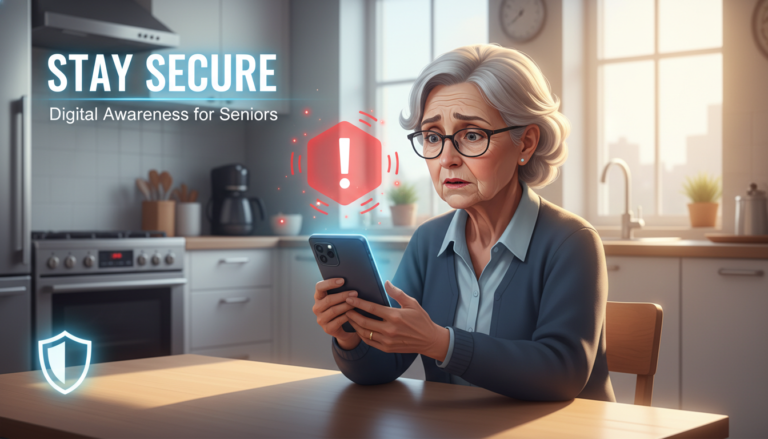
For many retirees, Social Security benefits are the cornerstone of financial stability. Unfortunately, this makes seniors a prime target for fraudsters. With Social Security scams becoming increasingly sophisticated, it is more important than ever to understand how these criminals operate and what you can do to protect your hard-earned benefits.
Understanding the Anatomy of Social Security Scams
The Social Security Administration (SSA) will never call you to threaten your benefits or demand immediate payment. Scammers, however, rely on fear and urgency to bypass your critical thinking. They often pose as government officials, using "spoofed" phone numbers that make it appear as though the call is originating from an official SSA office.
Common Tactics Used by Fraudsters
- The Threat of Suspension: The most common scam involves a caller claiming your Social Security number has been linked to a crime (such as drug trafficking or money laundering) and that your benefits will be suspended unless you provide personal information or pay a "fine."
- Phishing via Email and Text: Fraudsters may send messages that look identical to official government communications, directing you to "verify" your account through a malicious link.
- Requesting Non-Traditional Payments: If someone asks you to pay a government fee using gift cards, prepaid debit cards, cryptocurrency, or wire transfers, it is 100% a scam. The government will never ask for payment in these forms.
How to Protect Your Identity and Benefits
Prevention is your best defense against identity theft. By following a few simple digital hygiene habits, you can significantly reduce your risk of falling victim to Social Security scams.
1. Guard Your Personal Information
Never give out your Social Security number, bank account details, or Medicare information over the phone unless you initiated the call to a verified, trusted phone number. Even if the caller seems to know your name or the last four digits of your number, do not verify the rest.
2. Set Up a "my Social Security" Account
By creating your own official account at ssa.gov, you take control of your records. Scammers often try to register an account in your name to redirect your benefits. If you do it first, you lock them out and gain a secure portal to monitor your earnings and benefit status.
3. Use Two-Factor Authentication
Enable multi-factor authentication on all your financial and government accounts. This adds a layer of security—usually a code sent to your phone—that makes it significantly harder for hackers to access your sensitive information even if they manage to steal your password.
What to Do If You Are Targeted
If you receive a suspicious call, text, or email, your best course of action is to hang up or delete the message immediately. Do not engage with the caller, even to tell them you know it is a scam; engaging only marks your phone number as "active," which can lead to even more spam calls.
How to Report a Scam
If you believe you have been contacted by a scammer, or worse, if you have already provided personal information, take the following steps:
- Report the Incident: File a report with the SSA’s Office of the Inspector General (OIG) at oig.ssa.gov/report.
- Contact the FTC: Report the fraud to the Federal Trade Commission at ReportFraud.ftc.gov.
- Monitor Your Credit: Place a credit freeze on your accounts with the three major bureaus (Equifax, Experian, and TransUnion) to prevent unauthorized accounts from being opened in your name.
- Check Your Bank Statements: Review your bank and credit card statements for any unusual activity. If you spot unauthorized charges, contact your financial institution immediately.
Stay Vigilant
Retirement should be a time of peace and security. While Social Security scams are a persistent threat, staying informed is your most powerful tool. Remember the golden rule: The Social Security Administration will never call to threaten you, demand payment, or ask for your personal information out of the blue. When in doubt, hang up and call the official SSA customer service line at 1-800-772-1213 to verify any information.